Drug Rehab in Colorado: Why Many Families Choose Treatment Outside Major Cities
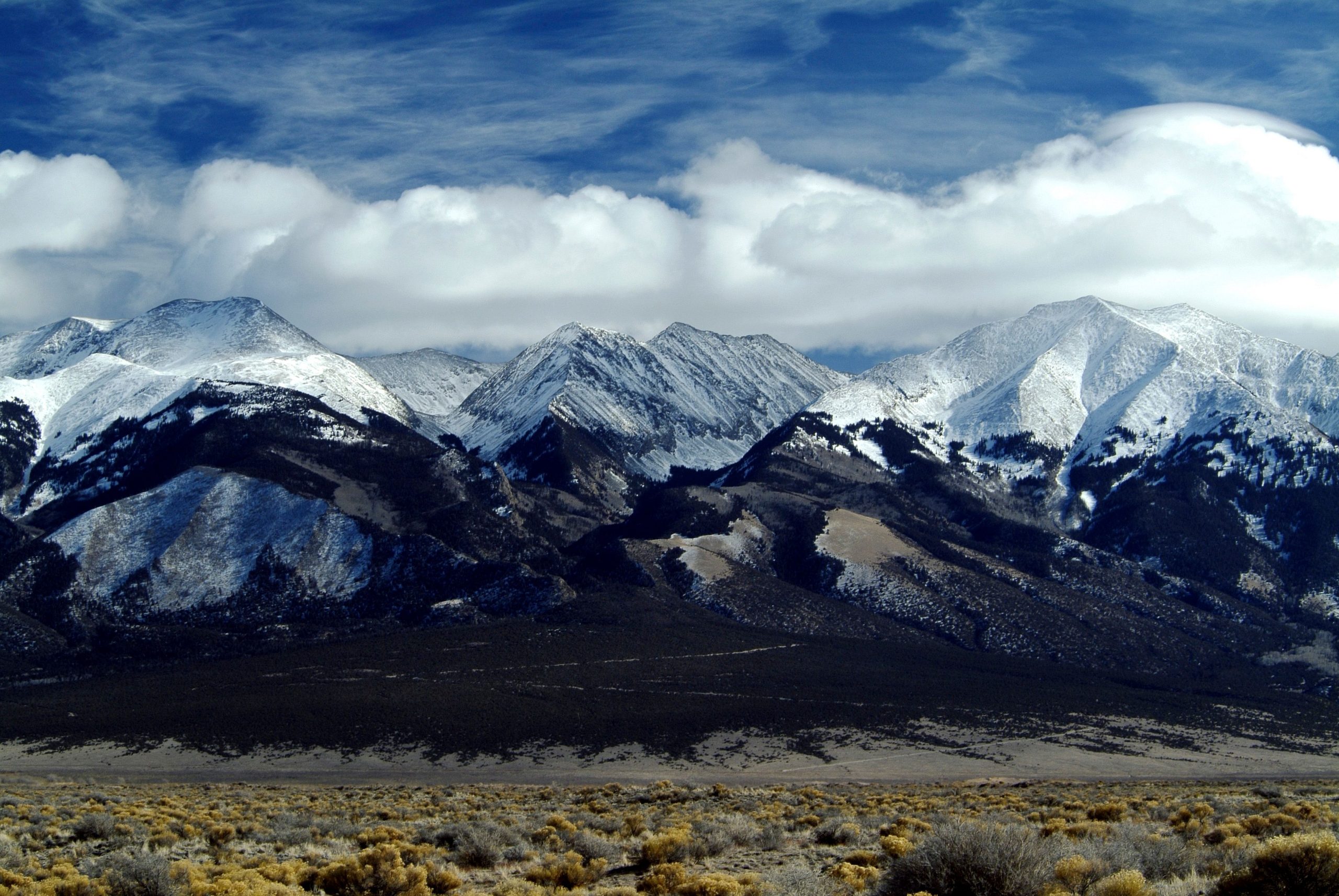 Searching for drug rehab in Colorado often means families are looking beyond their immediate area for real solutions. Whether someone lives in Denver, Colorado Springs, Pueblo, Grand Junction, or a rural community, the goal is usually the same: to find treatment that offers stability, structure, and a genuine opportunity for long-term recovery.
This page explains how drug rehab works in Colorado, why many people intentionally travel for treatment, and how Hope in the Valley in Alamosa serves individuals from across the state.
Why people search statewide for drug rehab in Colorado
Colorado’s geography and population distribution create very different recovery environments. Urban areas often have many treatment options, but they also come with higher exposure to triggers, stress, and social pressures. Rural areas may offer fewer services altogether.
When people search for drug rehab in Colorado at the state level, it often signals a desire to compare programs, find a better fit, or step away from environments that have contributed to substance use. For many families, distance is not a drawback—it is part of the solution.
How distance from home can support recovery
 While staying close to home works for some individuals, others benefit from a clear physical and mental separation from familiar routines. Traveling for treatment can create a boundary that supports early recovery.
- Reduced access to triggers: Physical distance limits exposure to people, places, and habits associated with substance use.
- Improved focus: Fewer daily responsibilities allow individuals to engage fully in treatment.
- Emotional reset: A new setting can help individuals break patterns tied to their previous environment.
- Increased accountability: Choosing to travel often reflects a deeper commitment to change.
These factors explain why many families searching for drug rehab in Colorado intentionally look beyond their local area.
Urban versus non-urban drug rehab environments
Large cities offer convenience, but they can also present challenges for individuals early in recovery. Easy access to substances, ongoing social pressure, and daily distractions may interfere with stabilization.
Non-urban treatment settings often provide a slower pace, fewer distractions, and a greater sense of structure. For individuals who need time to rebuild routines, decision-making skills, and emotional regulation, a quieter environment can support deeper engagement in the recovery process.
Where is Hope in the Valley located
Hope in the Valley is located in Alamosa, Colorado, in the San Luis Valley. This region offers a calm, grounded setting that supports reflection, accountability, and personal growth.
The program combines licensed clinical care with faith-informed support. Individuals entering treatment receive personalized planning designed to address substance use as well as the underlying factors that often contribute to addiction.
How Hope in the Valley serves clients from across Colorado
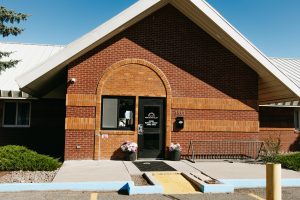 Hope in the Valley regularly serves men and women who travel from:
- Denver and surrounding metro areas
- Colorado Springs and the Front Range
- Pueblo and Southern Colorado
- Grand Junction and Western Colorado
- Smaller rural communities throughout the state
For many families, traveling to Alamosa provides the physical and emotional space needed to focus fully on recovery.
Who benefits most from traveling for drug rehab
Travel-based treatment is not necessary for everyone, but it is often beneficial for individuals who:
- Have experienced repeated relapse in their home environment
- Struggle with strong social or peer influences
- Need distance from enabling relationships
- Benefit from a structured, distraction-free setting
- Are seeking a reset in routines and accountability
These individuals often experience greater clarity and engagement when removed from daily pressures.
What to look for in a Colorado drug rehab program
Licensed clinical oversight
Quality programs use professional assessment and individualized treatment planning. This ensures care is responsive rather than generic.
Structured daily routines
Predictable schedules support emotional regulation, responsibility, and habit formation.
Whole-person care
Effective drug rehab addresses mental health, relationships, and personal responsibility alongside substance use.
Family communication support
Families benefit from guidance on boundaries, communication, and realistic expectations during recovery.
Transition and aftercare planning
Recovery continues beyond structured treatment. Planning for next steps is essential.
Faith-informed recovery and long-term change
 Many families seeking drug rehab in Colorado want more than temporary relief. Faith-informed recovery can support purpose, accountability, and values-based decision-making.
Hope in the Valley integrates spiritual growth with clinical support, helping individuals rebuild trust, direction, and hope.
Frequently asked questions about drug rehab in Colorado
Is traveling for drug rehab worth it
For many people, yes. Distance can reduce triggers and create the focus needed for meaningful change.
How long does treatment usually last
Length varies based on individual needs and progress. Programs should explain how timelines are determined.
Does Hope in the Valley only serve Alamosa residents
No. Hope in the Valley serves individuals traveling from across Colorado.
Next step: talk with Hope in the Valley
If you are exploring drug rehab in Colorado and want a setting designed for focus, structure, and lasting recovery, Hope in the Valley may be a strong option.
Contact Hope in the Valley to learn more about admissions and next steps.
Related resource: Alcohol Treatment in Colorado