
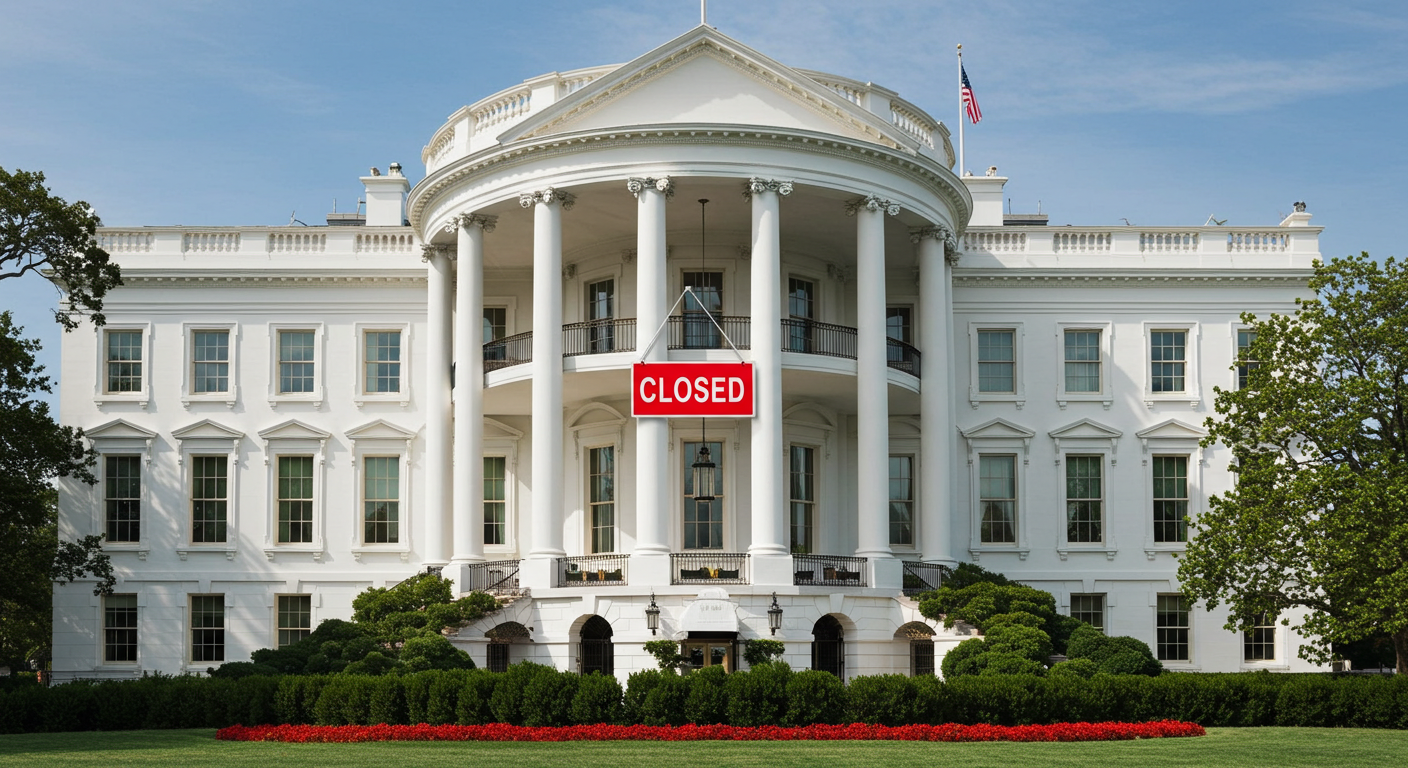
As of 12:01am on Wednesday, October 1, 2025, the federal government has officially shut down. While some essential functions will continue, many agencies, including the IRS, are bracing for staffing cuts, service delays, and operational uncertainty. For taxpayers and practitioners alike, this raises pressing questions about what to expect in the coming days and weeks. Will tax deadlines still apply? What happens to pending Tax Court cases? Does the IRS continue collections during a shutdown?
This article examines how the shutdown impacts IRS operations, tax litigation, and taxpayer obligations, while providing practical guidance to help you stay compliant and avoid unexpected complications.
IRS Operations During the Shutdown
The IRS has released its Lapse Appropriations Contingency Plan outlining how it will operate during a funding lapse. Thanks to supplemental funding (including allocations from the Inflation Reduction Act), the IRS plans to continue operations for the first five business days of the shutdown. During this period, most IRS employees will remain at work, and day-to-day functions should continue largely as normal.
However, after this initial window, non-essential operations are expected to scale back significantly if funding isn’t restored. Historically, IRS shutdowns have caused substantial slowdowns in areas such as:
- Paper return processing
- Taxpayer assistance phone lines
- Correspondence and audit support
- Appeals and certain enforcement functions
While automated systems may continue to run, staffed services and manual processes are likely to be delayed or paused.
Additionally, the Taxpayer Advocate Service has stated in prior shutdowns that it cannot assist taxpayers during a lapse in appropriations, meaning help with urgent taxpayer hardships may be unavailable.
IRS operations may continue in the short term, but taxpayers should expect disruptions if the shutdown persists.
IRS Impact During Previous Government Shutdowns
| Shutdown Period | Length of Shutdown | IRS Employees Furloughed | Return Backlog | Taxpayer Services Delayed | Refund Processing Delays |
|---|---|---|---|---|---|
| 2013 (Oct) | 16 days | ~90% (86,000 of 95,000) | ~1.2 million | Taxpayer helpline, audits, and appeals paused | Refunds delayed 2–3 weeks |
| 2018–2019 (Dec–Jan) | 35 days (longest) | ~88% (≈70,000 employees) | ~5 million | Audit & appeals operations halted; significant phone line delays | Early filing season delayed; backlog carried into spring |
| 2025 (Projected)* | TBD | Initially minimal; majority working first 5 days | TBD | Services expected to scale back after initial funding window | Potential delays if shutdown extends beyond 5 days |
*Based on IRS FY2026 Lapse Appropriations Contingency Plan and prior shutdown data.
Historical data show that even short shutdowns create significant backlogs and service delays at the IRS. In 2013, nearly 90% of IRS employees were furloughed, resulting in more than a million unprocessed returns. The 2018–2019 shutdown, the longest in U.S. history, left a five-million-return backlog and delayed the start of filing season for weeks. Although the IRS plans to keep most operations running during the first few days of the current shutdown, the risk of disruptions grows significantly if it continues beyond the contingency funding period.
Tax Court and Litigation Proceedings
The United States Tax Court (USTC) has announced that it remains open as of October 1, 2025, despite the shutdown. This is because the federal judiciary, including the Tax Court, can continue to operate for a limited period using non-appropriated funds such as court fees.
As of now, the judiciary has confirmed it can sustain operations through October 17, 2025, even without new congressional funding. However, if the shutdown extends beyond that date, the court may need to scale back operations, which could affect scheduling, staffing, and case progression.
For taxpayers and practitioners with pending Tax Court matters:
- Deadlines are still in effect during the shutdown period.
- Court hearings and filings continue unless otherwise announced.
- Communication delays with IRS counsel are possible — some Chief Counsel attorneys may not be furloughed, but responses could be inconsistent.
Monitor court announcements closely and avoid assuming that deadlines will be automatically extended.
Tax Obligations Don’t Pause During a Shutdown
One of the most important points to remember is that a federal shutdown does not suspend tax laws. Filing deadlines, interest, and penalties still apply. The IRS is legally required to continue collecting taxes, even when parts of the agency are closed.
Key things to keep in mind:
- Automated collection systems may continue to issue levies, liens, or notices, especially if these were initiated before the shutdown.
- Refund processing could be delayed if staffing is reduced.
- Taxpayer communication channels (phone lines, correspondence) may be slow or unavailable, making it harder to resolve issues quickly.
- Interest and penalties continue to accrue on unpaid taxes during the shutdown period.
For taxpayers already facing collection action or with upcoming deadlines, this means the clock doesn’t stop just because the government is closed.
Practical Tips for Taxpayers and Practitioners
To protect your interests during this uncertain period, here are practical steps to take:
- Don’t delay filings or responses.
Deadlines are still legally binding. File returns, petitions, and responses on time, even if IRS offices are short-staffed. - Document everything.
Keep copies of all submissions, certified mail receipts, and electronic confirmations. Delays and miscommunications are more likely during a shutdown. - Submit critical filings early.
If you have Tax Court petitions, OIC submissions, or appeals pending, get documents in as soon as possible—before processing slows down. - Plan for communication delays.
Expect slower response times from IRS personnel. Be proactive in following up and keep detailed notes of all interactions. - Don’t assume leniency.
The IRS generally expects compliance despite shutdowns. Failure to act can still result in penalties or loss of appeal rights. - Monitor IRS and Tax Court announcements.
Keep an eye on official updates regarding operational changes, extended deadlines, or office closures. - Consult legal counsel early.
Having a tax attorney monitor your case ensures critical deadlines are not missed and strategies are adjusted as the situation evolves.
Why This Matters for Taxpayers
For individuals and businesses navigating audits, collections, Offer in Compromise (OIC) negotiations, or pending litigation, a federal shutdown adds layers of uncertainty and potential delay. IRS staffing cuts can slow down responses and processing, but your legal obligations remain firmly in place.
Moskowitz LLP closely monitors IRS operations and court updates to ensure our clients remain protected and well-positioned, even during periods of government instability. Whether you’re negotiating a settlement, disputing a tax bill, or awaiting a hearing date, our experienced tax attorneys can help you anticipate disruptions and keep your case on track.
Stay Proactive During the Shutdown
Government shutdowns create confusion, but they also reward preparation. Acting early, staying organized, and working with a knowledgeable legal team can prevent unnecessary penalties, missed deadlines, or enforcement actions.
If you have an active tax matter or are unsure how the shutdown might affect your situation, contact Moskowitz LLP today. Call us at 888-829-3325 or schedule a confidential consultation with our legal team through our secure online contact form. Our team is ready to help you navigate this period with confidence and strategy.