Addiction Treatment in Colorado: What to Know and How to Choose the Right Support
 If you are searching for addiction treatment in Colorado, you may be looking for answers, options, and a path forward that feels realistic. Families across Colorado often begin with statewide research because treatment needs vary, local resources may be limited, and the best fit is not always the closest program.
This guide explains common types of addiction treatment, what to look for in a program, and why some individuals choose care outside major cities to support focus and long-term recovery. It also introduces Hope in the Valley in Alamosa, Colorado, which serves men and women from across the state.
Why people search statewide for addiction treatment in Colorado
Colorado is a large and diverse state. Someone may live in a metro area like Denver or Colorado Springs, a smaller city like Pueblo or Grand Junction, or a rural community where treatment options are limited. When families search for addiction treatment statewide, they are often trying to compare programs, understand different levels of care, and find a setting that supports lasting change.
Many statewide searches also reflect urgency. Families may have tried to help on their own, or they may be responding to a crisis moment. In those situations, having clear information about treatment options can reduce uncertainty and help families make confident decisions.
What addiction treatment usually includes
While programs vary, most quality addiction treatment models include a combination of clinical assessment, structured support, counseling, and planning for long-term recovery. Treatment is often most effective when it addresses both substance use and the underlying factors that contribute to it.
- Assessment and planning: Understanding needs, history, and risk factors to create a personalized plan.
- Structure and routine: Predictable schedules that support stability and healthy habits.
- Counseling and skill building: Developing tools for stress management, emotional regulation, and decision-making.
- Supportive community: Healthy relationships, accountability, and encouragement.
- Family communication: Guidance for boundaries, expectations, and long-term support.
- Aftercare planning: Next steps that support transition and ongoing recovery.
When comparing addiction treatment in Colorado, it helps to ask how a program delivers these basics and how individualized the approach is.
Common levels of care in Colorado addiction treatment
Assessment and clinical support
Many programs begin with an assessment to understand the individual’s history, goals, and current needs. Clinical oversight can be important for building a plan that is realistic and responsive rather than generic.
Structured treatment environments
Some individuals benefit from higher levels of structure and accountability. A consistent daily routine often supports early recovery by reducing distractions and helping individuals rebuild stable habits.
Outpatient counseling and ongoing support
For others, outpatient counseling may be appropriate, especially when a person has a stable home environment and strong support. Many individuals also continue counseling or peer support after completing more structured treatment.
Family support and education
Families often need guidance too. Healthy boundaries, improved communication, and realistic expectations can reduce conflict and strengthen long-term support systems.
Why some families choose addiction treatment outside major cities
Not everyone needs to travel for treatment, but for many people, distance from familiar routines can be a meaningful advantage. Choosing a program outside a person’s home area can reduce exposure to triggers and create space for focused change.
- Fewer triggers: Less access to people and environments associated with substance use.
- More focus: Fewer daily obligations competing with treatment.
- Clearer boundaries: Space to reset routines and rebuild decision-making.
- Increased commitment: Traveling often reflects a serious decision to pursue recovery.
This is one reason many families searching for addiction treatment in Colorado consider programs beyond their local area.
Where is Hope in the Valley located
Hope in the Valley is located in Alamosa, Colorado in the San Luis Valley. Many families choose Alamosa because it offers a calmer setting that supports reflection, structure, and personal growth during the recovery process.
Hope in the Valley provides compassionate, faith-informed care with licensed clinical support and individualized treatment planning. The program serves men and women traveling from across Colorado, including larger cities and rural communities.
How Hope in the Valley serves people across Colorado
Individuals and families travel to Hope in the Valley from many parts of the state, including:
- Denver and surrounding metro communities
- Colorado Springs and the Front Range
- Pueblo and Southern Colorado
- Grand Junction and Western Colorado
- Smaller towns and rural communities statewide
For many, the choice to travel supports a stronger reset and reduces distractions that can make early recovery harder.
What to look for when choosing addiction treatment in Colorado
Clear program structure
Consistency matters. Ask what a typical day looks like, how accountability works, and how progress is measured.
Individualized treatment planning
Quality programs avoid one-size-fits-all approaches. Ask how treatment plans are created and adjusted over time.
Licensed clinical involvement
Clinical oversight can be important for assessment, treatment planning, and supporting complex needs.
Support for the whole person
Many people need help with more than substance use alone. Look for programs that address emotional health, relationships, decision-making, and long-term stability.
Family support and communication
Ask how families are supported and what guidance is offered around boundaries, communication, and expectations.
Transition planning and aftercare
Recovery does not end at discharge. Strong programs help people prepare for next steps and ongoing support.
Colorado treatment resources for specific needs
If you are researching addiction treatment in Colorado, you may also be looking for specific types of support. These pages provide more detailed information:
These resources are designed to help families understand options and make practical next-step decisions.
Frequently asked questions about addiction treatment in Colorado
Does location matter for addiction treatment
It can. Some individuals benefit from staying close to home, while others need distance from triggers and routines. The best setting depends on the person’s needs and the support available at home.
How do families know what level of care is needed
An assessment with a qualified professional can help clarify needs. Families can also ask programs how they evaluate risk factors and how they recommend a level of care.
Is traveling for treatment common in Colorado
Yes. Many families travel within Colorado to find the right fit, especially when seeking a calmer setting or a more structured program model.
Where is Hope in the Valley located
Hope in the Valley is located in Alamosa, Colorado, and serves individuals traveling from across the state.
Talk with Hope in the Valley
If you are exploring addiction treatment in Colorado and want to learn more about care in Alamosa, Hope in the Valley is available to answer questions and explain next steps.
Contact Hope in the Valley to discuss admissions, services, and what to expect.
Suggested images for this page
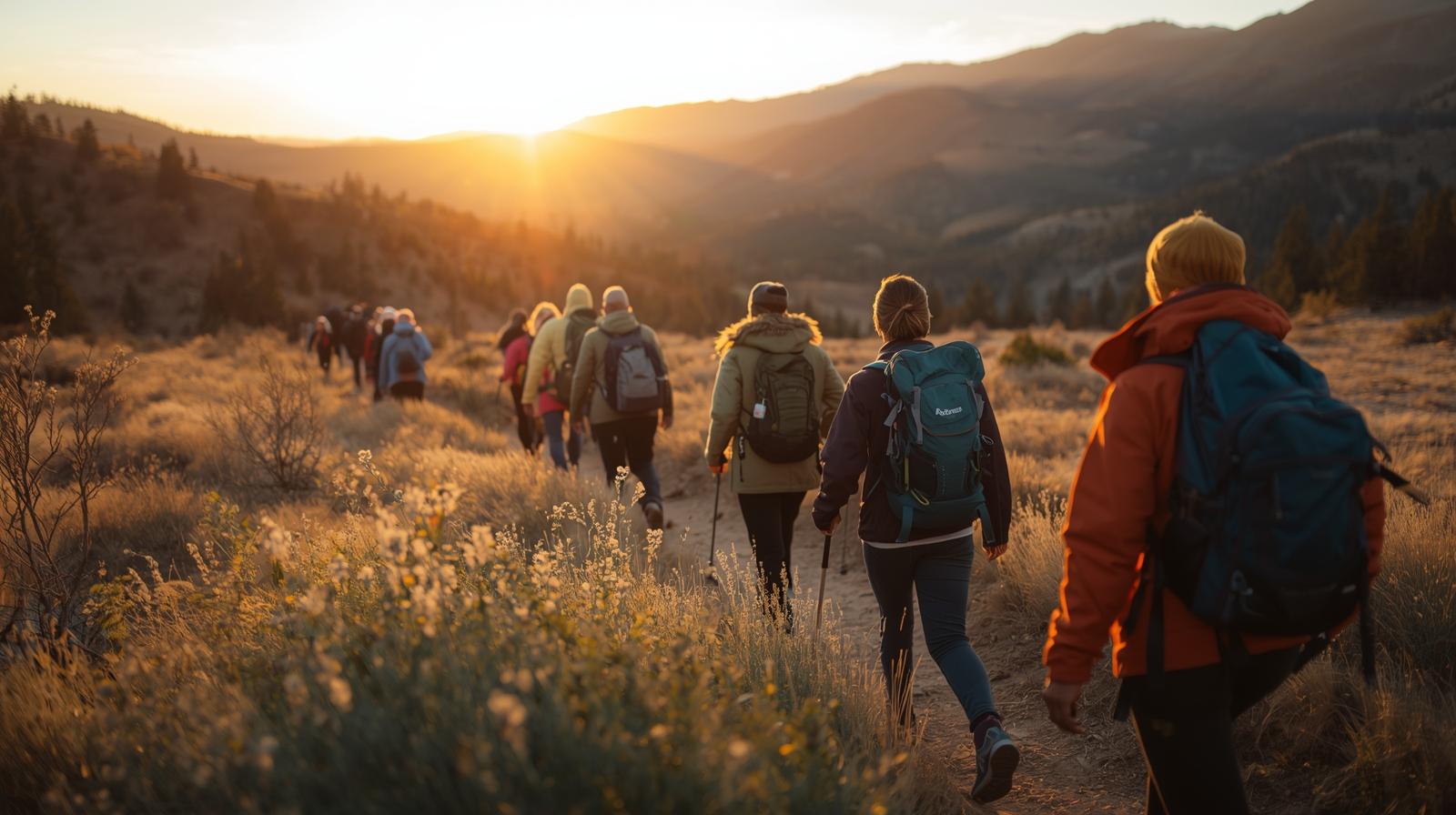
Image 1 (Hero): Colorado landscape with a calm, hopeful tone.
- Filename: addiction-treatment-colorado-hope-in-the-valley.jpg
- Alt text: Addiction treatment in Colorado at Hope in the Valley in Alamosa
- AI prompt: “A calm, hopeful Colorado valley landscape at sunrise, warm natural light, realistic photo style, peaceful mood, wide hero banner composition, no text, no logos.”
Image 2 (Support / Counseling): A respectful, non-clinical supportive moment.
- Filename: colorado-addiction-treatment-support.jpg
- Alt text: Supportive addiction treatment environment in Colorado
- AI prompt: “A supportive conversation between a counselor and an adult in a comfortable room, warm lighting, hopeful mood, realistic photography, no medical equipment, no text.”
Image 3 (Community / Hope): A simple community-oriented visual.
- Filename: hope-in-the-valley-alamosa-colorado-community.jpg
- Alt text: Hope in the Valley community support in Alamosa Colorado
- AI prompt: “A small supportive group in a welcoming environment, natural expressions, warm light, realistic photo style, hopeful mood, no text, no logos.”